
Jan
Pinterest has evolved from a simple inspiration platform into a serious traffic and commerce engine. For affiliates, ecommerce brands, agencies, and growth teams, Pinterest accounts are no longer optional tools. They are operational assets.
As Pinterest enforcement has matured, account creation and scaling have become increasingly restrictive. This shift has pushed many businesses toward buying Pinterest accounts instead of creating them manually. When done correctly, purchased accounts reduce friction, stabilize workflows, and allow predictable scaling.
This guide explains how Pinterest accounts are used today, which types exist, the real risks involved, and how to source accounts safely and strategically.
What Are Pinterest Accounts Used For Today?
Pinterest accounts are rarely used in isolation. In professional environments, they function as foundational assets inside broader marketing, traffic, and automation systems. Their value comes not from single-account activity, but from how they support scale, testing, and long-term distribution.
Organic Traffic and Content Distribution
Pinterest remains one of the strongest organic traffic platforms available. Unlike social networks where content disappears quickly, Pinterest pins can generate impressions, clicks, and conversions for months or even years after publication.
Pinterest accounts are commonly used to:
- Publish niche-focused visual content
- Drive consistent traffic to blogs, landing pages, and ecommerce pages
- Support SEO indirectly through long-term referral traffic
For content-driven businesses, Pinterest acts as a discovery engine rather than a social feed. Multiple accounts allow teams to target different niches, keywords, and audiences without concentrating all activity on a single profile. This reduces risk and improves testing flexibility.
Affiliate Marketing and Offer Testing
Affiliate marketers rely heavily on Pinterest for link distribution and funnel entry points. Pins often serve as the first touchpoint before users reach presell pages or offers.
Pinterest accounts are used to:
- Promote multiple affiliate offers simultaneously
- Isolate campaigns by niche or traffic angle
- Rotate offers without damaging long-term assets
Using separate Pinterest accounts allows affiliates to compartmentalize risk. If one campaign underperforms or violates platform policies, losses are contained without impacting unrelated accounts or niches.
Ecommerce and Dropshipping
Pinterest is a highly visual platform, making it especially effective for ecommerce, print-on-demand, and dropshipping models. Users often browse Pinterest with purchase intent, looking for inspiration, products, and ideas.
Ecommerce teams use Pinterest accounts to:
- Promote product collections and catalogs
- Test creatives and product angles
- Support storefront traffic without relying solely on paid ads
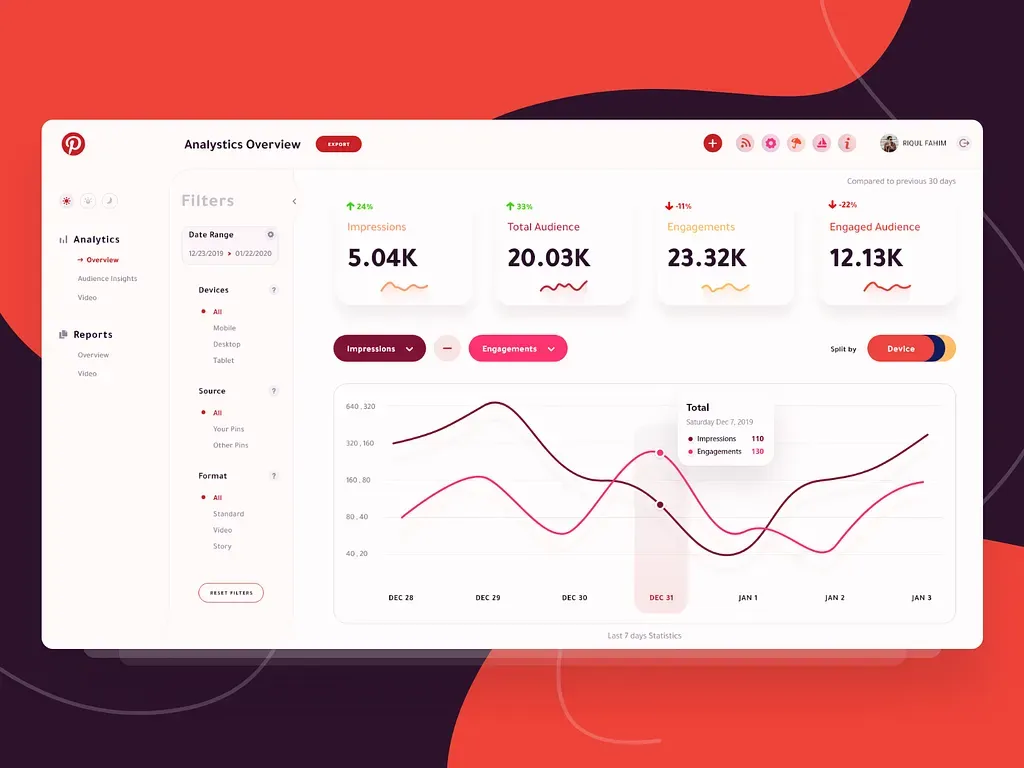
Business accounts are typically required to unlock analytics, rich pins, and advertising features. Multiple accounts help brands test markets, regions, or product categories independently.
Advertising and Brand Promotion
Pinterest business accounts are mandatory for running ads. Agencies, media buyers, and in-house marketing teams often need more than one account.
Common reasons include:
- Separating clients under different business accounts
- Targeting different regions or languages
- Testing ad structures, creatives, and audiences
Using multiple business accounts improves organization, reduces cross-account risk, and provides cleaner performance data for optimization.
Automation and Scaling Systems
In scaled operations, Pinterest accounts act as endpoints inside automation systems. Tools schedule pins, manage boards, track performance, and handle content distribution.
In these setups:
- Account stability matters more than raw quantity
- Consistent behavior is critical to longevity
- Aged and properly warmed accounts perform significantly better
Pinterest accounts become infrastructure components. Losing them disrupts systems, workflows, and traffic flow, which is why sourcing quality accounts and managing them carefully is essential.
In modern usage, Pinterest accounts are not casual profiles. They are strategic assets used to distribute content, test ideas, drive traffic, and support scalable marketing systems.
Types of Pinterest Accounts You Can Buy
Not all Pinterest accounts are equal. Each account type serves a different role and carries different risk, cost, and longevity characteristics. Understanding these differences is essential before making a purchase.
Fresh Pinterest Accounts
Fresh Pinterest accounts are newly created and have little or no activity history. They start with minimal trust signals and operate under higher scrutiny.
Advantages include:
- Lower upfront cost
- Suitable for testing environments
- Easy to replace if lost
Disadvantages include:
- High sensitivity to mistakes
- Low initial trust
- Short lifespan if mishandled
Fresh accounts are best used for disposable workflows, early-stage testing, or situations where account loss does not disrupt operations.
Aged Pinterest Accounts
Aged Pinterest accounts have existed for a period of time, even if they have been lightly used. Time itself acts as a trust signal.
Benefits of aging include:
- Stronger trust indicators
- Greater tolerance for normal activity
- Reduced risk of early bans or restrictions
Aged accounts are preferred for production environments, automation workflows, and long-term traffic generation where stability matters.
Verified Pinterest Accounts
Verified Pinterest accounts have completed email or phone verification during or after creation.
Verification improves:
- Account recovery options
- Platform trust signals
- Stability under moderate activity levels
These accounts are often more resilient when integrated into live systems.
Pinterest Business Accounts
Pinterest business accounts are designed for professional and commercial use.
They unlock:
- Analytics and performance insights
- Access to Pinterest advertising features
- Higher credibility for brands and marketers
Business accounts are required for advertisers, agencies, and ecommerce brands that need measurement and scalability rather than casual use.
Fresh vs Aged Pinterest Accounts Which Should You Buy?
The decision between fresh and aged Pinterest accounts should always be driven by use case, not price. Each account type plays a different strategic role inside a marketing or automation system.
Fresh Pinterest Accounts
Fresh Pinterest accounts are newly created and have little to no activity history. They operate under higher scrutiny and carry minimal trust signals.
Fresh accounts make sense when:
- Risk tolerance is high
- Accounts are intentionally disposable
- Projects are short-term or experimental
- Workflows involve testing niches, creatives, or funnels
Because they lack history, fresh accounts are sensitive to mistakes. Aggressive pinning, early automation, or rapid profile changes can lead to fast restrictions or bans. Their lower cost reflects this fragility.
Fresh accounts should be treated as consumables, not long-term assets.
Aged Pinterest Accounts
Aged Pinterest accounts benefit from time-based trust. Even light aging improves stability, forgiveness, and tolerance under real-world usage conditions.
Aged accounts are the better choice when:
- Stability and longevity matter
- Automation tools are involved
- The goal is long-term traffic generation
- Accounts support revenue-producing workflows
Although aged accounts cost more upfront, they often reduce total cost over time by lowering ban rates, minimizing downtime, and decreasing replacement needs.
Strategically:
- Fresh accounts are consumables
- Aged accounts are assets
Understanding this distinction helps teams deploy each account type correctly instead of forcing one solution across all operations.
Personal vs Business Pinterest Accounts
Pinterest offers both personal and business account types, each designed for different objectives.
Personal Pinterest Accounts
Personal accounts are suitable for basic usage and organic activity.
They are typically used for:
- Organic pinning
- Content discovery and curation
- Low-scale traffic testing
Limitations include:
- Limited analytics access
- No advertising capabilities
- Lower perceived credibility
Business Pinterest Accounts
Business accounts are designed for professional use and are required for most marketing operations.
They provide:
- Access to Pinterest Ads
- Detailed analytics and performance insights
- Higher credibility with users and the platform
For agencies, advertisers, ecommerce brands, and affiliates, business accounts are usually mandatory. They enable measurement, optimization, and scalable growth that personal accounts cannot support.
Choosing between personal and business accounts should align with operational goals, not convenience.
How Many Pinterest Accounts Can Be Used Safely?
Pinterest does not publish an official limit on how many accounts can be used safely. In practice, the number itself is irrelevant. Safety is determined by correlation, not quantity.
How Pinterest Evaluates Multiple Accounts
Pinterest focuses on identifying shared control rather than counting accounts. Its systems analyze signals such as:
- IP addresses and network reputation
- Browser and device fingerprints
- Login frequency and timing
- Activity patterns across accounts
When multiple accounts share these signals, they become linked. Once correlation is detected, enforcement can occur even at low volume.
Why Environment Matters More Than Volume
Using several Pinterest accounts from the same IP, browser, or device creates immediate linkage. Even a small group of accounts can fail if they appear to be operated together.
Conversely, properly isolated accounts can scale without triggering restrictions.
Requirements for Safe Usage at Scale
Safe usage requires both environmental separation and behavioral discipline.
Key requirements include:
- Clean, stable IPs with consistent locations
- Isolated browser profiles or hardened fingerprint separation
- Predictable, human-like login behavior
- Gradual increases in activity rather than sudden spikes
Scale Comes From Control
Without these precautions, buying multiple Pinterest accounts offers little advantage. With them, scale becomes manageable and sustainable. The goal is not to hide volume, but to ensure that each account appears independent and naturally operated.
The Real Risks of Buying Pinterest Accounts
Buying Pinterest accounts is not inherently unsafe, but it is not risk-free. Most failures come from how accounts are created and how they are handled afterward, not from the purchase itself.
Poor Account Sourcing
The highest risk begins at creation.
Accounts generated using automated scripts, reused IP ranges, or shared browser fingerprints lack structural integrity. They may appear functional at first, but their trust signals are weak. Once these accounts are exposed to normal usage, they often trigger restrictions or silent bans.
Low-quality sourcing produces fragile accounts regardless of how carefully they are used later.
Improper Handling After Delivery
A large percentage of Pinterest account losses occur after delivery, not during creation.
Common operational mistakes include:
- Logging into multiple accounts at the same time
- Making aggressive or repeated profile changes
- Connecting automation tools too early
- Rapid pinning or engagement spikes
These behaviors create unnatural patterns that expose correlation between accounts.
Cheap Account Traps
Extremely low-priced Pinterest accounts are rarely bargains. They usually indicate shortcuts in infrastructure, mass automation, or reused environments.
Cheap accounts tend to fail in clusters, leading to higher long-term costs through replacements, downtime, and operational disruption.
Managing Risk Effectively
Risk is not eliminated by avoiding purchased accounts. It is controlled through quality sourcing, gradual warm-up, and disciplined usage. Teams that treat Pinterest accounts as long-term assets experience significantly better stability and predictability.
How to Warm Up Pinterest Accounts Properly?
Warming up Pinterest accounts is not about bypass techniques or technical tricks. It is about establishing believable, human-like behavior over time. Pinterest expects new or recently activated accounts to behave cautiously. When activity escalates too quickly, trust collapses.
Early Login Behavior
The first interactions with a Pinterest account set the baseline.
Best practices include:
- Spacing out initial logins instead of accessing multiple accounts at once
- Using clean, consistent environments for each account
- Avoiding simultaneous logins that create correlation signals
Each account should appear to belong to an independent, real user.
Initial Activity Patterns
Early activity should be passive and natural.
Focus on actions such as:
- Browsing content within a clear niche
- Saving pins to relevant boards
- Following accounts and boards that make sense for the theme
At this stage, the goal is to generate normal engagement signals without drawing attention.
Gradual Engagement and Scaling
Pinning should be introduced slowly. Start with low volume and increase activity over time. Sudden bursts of pins or interactions often trigger restrictions.
Automation tools should only be connected after the account has demonstrated consistent, stable behavior. Introducing automation too early is one of the most common causes of Pinterest account loss.
Patience Preserves Accounts
Rushing the warm-up process is the fastest way to lose Pinterest accounts. A gradual timeline preserves trust, improves longevity, and makes accounts usable for long-term marketing and traffic generation.
Why Creating Pinterest Accounts Manually No Longer Scales?
Creating a single Pinterest account manually can feel simple. The signup flow is accessible, and the initial barrier appears low. This perception changes immediately when scale is introduced.
Platform Monitoring at Creation
Pinterest actively monitors account creation behavior. Signals such as signup velocity, IP reputation, device and browser consistency, and verification reuse are analyzed in real time. Creating multiple accounts from the same setup quickly triggers restrictions, additional verification steps, or silent trust suppression.
Even when accounts are successfully created, correlation builds invisibly.
Infrastructure Costs Grow Quickly
At scale, manual creation is no longer free or simple. It requires:
- Residential or mobile proxies
- Unique phone numbers or email verifications
- Dedicated labor time
- CAPTCHA-solving services
Each of these introduces cost, complexity, and additional failure points.
Fragility of Newly Created Accounts
Manually created accounts start with no history or trust signals. Small operational mistakes such as rapid logins, aggressive profile changes, or early automation often lead to irreversible bans.
Optimization, Not a Shortcut
As volume increases, account losses accumulate faster than new accounts can be created. Buying pre-created Pinterest accounts is not a shortcut or a hack. It is an optimization that reduces operational friction, stabilizes workflows, and allows teams to scale predictably instead of fighting constant attrition.
What Determines the Price of Pinterest Accounts?
The price of Pinterest accounts is not arbitrary. It reflects the amount of effort, time, and risk absorbed by the provider during creation and delivery. Understanding these factors helps buyers avoid false economies and choose accounts that perform reliably over time.
Account Age and History
Account age is one of the strongest pricing drivers.
Fresh Pinterest accounts are cheaper because they are created and delivered quickly. They have no history and minimal trust signals, which also makes them more fragile.
Aged Pinterest accounts cost more because time itself is a resource. Providers must maintain these accounts over weeks or months, ensuring they remain active and unflagged. Aging improves credibility, tolerance for activity, and long-term usability.
Verification Status
Verified accounts carry additional cost.
Email or phone verification requires extra infrastructure and increases failure rates during creation. However, verification improves account recovery options and trust signals, which often translates into longer lifespan and fewer interruptions.
Business Account Setup
Pinterest business accounts are priced higher because they involve additional setup steps. Business conversion, profile completion, and readiness for analytics or advertising require more effort and tighter quality control.
For advertisers and agencies, this premium is often justified by functionality and stability.
Creation Infrastructure Quality
The hidden driver behind pricing is infrastructure.
Accounts created in clean environments with controlled IPs, isolated browser profiles, and manual oversight cost significantly more to produce. Cheaper accounts often rely on reused environments or automation, which introduces correlation and shortens lifespan.
Bulk Pricing and Risk Signals
Bulk discounts exist because scale reduces per-unit overhead. However, unrealistically low prices are warning signs, not bargains.
When evaluating price, always consider:
- Expected stability under real usage
- Average account lifespan
- Replacement policy clarity
- Provider support quality
The cheapest Pinterest accounts often generate higher long-term costs through replacements, downtime, and operational disruption. Reliable accounts save money by failing less.
How to Evaluate Pinterest Account Providers Critically?
The Pinterest account market varies widely in quality. While many providers offer similar-looking products, the difference between stable accounts and fragile ones is often hidden beneath the surface.
Evaluating providers critically helps prevent downstream failures and operational disruption.
Creation Quality and Infrastructure
Reliable providers invest in how accounts are created, not just how many are delivered.
This typically includes:
- Clean, isolated creation environments
- Controlled IP usage and browser profiles
- Manual oversight to prevent repetitive patterns
These investments increase cost, but they directly influence account lifespan and stability under real usage.
Transparency and Clarity
Serious providers are clear about what they sell and how it behaves.
A solid evaluation checklist includes:
- Clearly defined account types such as fresh, aged, verified, or business
- Transparent replacement policies for dead-on-arrival accounts
- Detailed delivery formats that explain login and recovery information
Vague descriptions or shifting terms often indicate shortcuts in sourcing.
Support and Communication
Support quality matters more than most buyers expect. Responsive communication helps resolve issues early, clarify usage constraints, and reduce preventable losses.
Providers that avoid technical questions, rely solely on price competition, or provide generic answers are high-risk choices. Reliable sourcing prioritizes long-term stability over short-term volume.
Why Businesses Choose EnterSocial for Pinterest Accounts?
EnterSocial positions Pinterest accounts as long-term operational assets, not disposable tools. This philosophy shapes every part of the sourcing process, from account creation to delivery and post-purchase support.
Built for Real Marketing Environments
Pinterest accounts supplied by EnterSocial are created specifically for real-world marketing, advertising, and automation workflows. Instead of optimizing for raw volume, EnterSocial prioritizes stability, consistency, and survivability under normal usage conditions.
Accounts are generated in controlled environments with attention to:
- Clean creation footprints
- Reduced correlation signals
- Predictable behavioral patterns
This approach results in Pinterest accounts that integrate more smoothly into production systems and tolerate gradual scaling.
Full Coverage of Account Types
Different operations require different assets. EnterSocial provides flexibility by offering:
- Fresh Pinterest accounts for testing and low-risk workflows
- Aged Pinterest accounts for long-term traffic and automation
- Verified Pinterest accounts for improved trust and recovery
- Pinterest business accounts for advertising and analytics access
This allows teams to deploy the right account type for each use case instead of forcing one solution across all workflows.
Bulk Availability Without Chaos
Scaling Pinterest operations introduces complexity quickly. EnterSocial supports bulk purchasing with structured delivery formats, consistent quality standards, and predictable account behavior. This reduces the randomness that often accompanies bulk sourcing from low-quality providers.
Teams can plan growth instead of reacting to unexpected account failures.
Transparent Policies and Predictable Outcomes
EnterSocial emphasizes clarity. Replacement policies are clearly defined, account specifications are disclosed upfront, and communication is direct. This transparency reduces uncertainty and helps teams manage risk proactively rather than reactively.
A Strategic Sourcing Decision
For businesses that rely on Pinterest as a traffic, affiliate, or advertising channel, sourcing accounts is not a one-time purchase. It is a strategic infrastructure decision.
By focusing on quality over volume, EnterSocial helps teams build Pinterest-based systems that scale with control, stability, and long-term efficiency rather than constant replacement and downtime.
Frequently Asked Questions About Buying Pinterest Accounts
Are Pinterest accounts still effective for traffic?
Yes. Pinterest continues to perform well for both organic discovery and paid promotion. Pins can generate consistent traffic over long periods when accounts are managed correctly.
Do bought Pinterest accounts get banned?
They can. Bans usually occur due to low-quality account sourcing or improper handling after delivery, not simply because the account was purchased.
Are aged Pinterest accounts safer than fresh ones?
Generally, yes. Aged accounts carry stronger trust signals and are more forgiving under real usage conditions.
Do Pinterest accounts need warm-up?
Yes. Proper warm-up significantly improves account stability, lifespan, and tolerance for increased activity.
Can Pinterest accounts be used for ads?
Yes. Pinterest business accounts are required to run advertisements and access analytics features.
Conclusion
Pinterest accounts are not shortcuts or growth hacks. They are infrastructure components inside modern marketing systems. When sourced and managed correctly, buying Pinterest accounts reduces friction, saves time, and enables scalable operations.
The key is not to buy more, but to buy smarter. Choosing the right account types, warming them properly, and handling them with discipline determines long-term success. For teams that require reliable Pinterest accounts at scale, sourcing through a professional provider like EnterSocial offers stability, predictability, and control.
